Al Unser Sr.
The four-time Brickyard conqueror who defined an era of American open-wheel racing — and the oldest man to ever drink the milk in Victory Lane.

via Wikipedia: Al Unser · see source
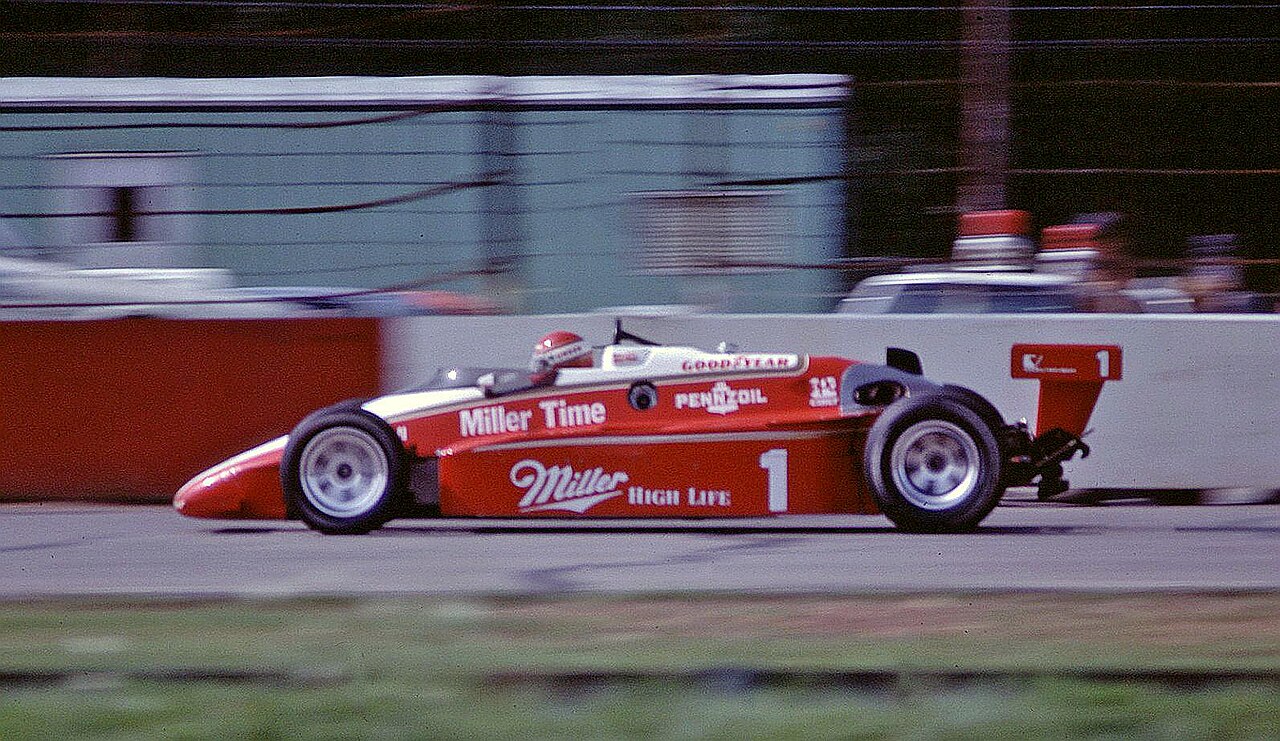
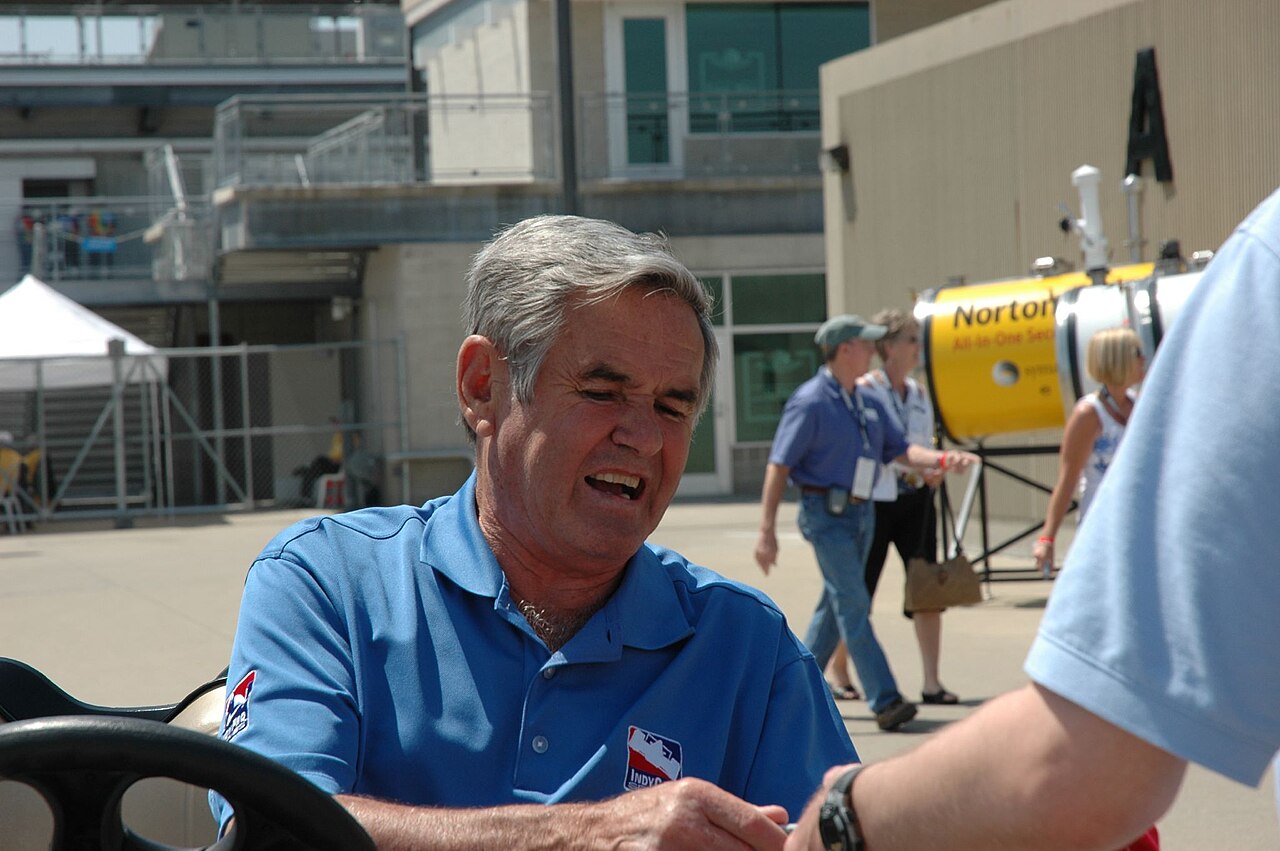
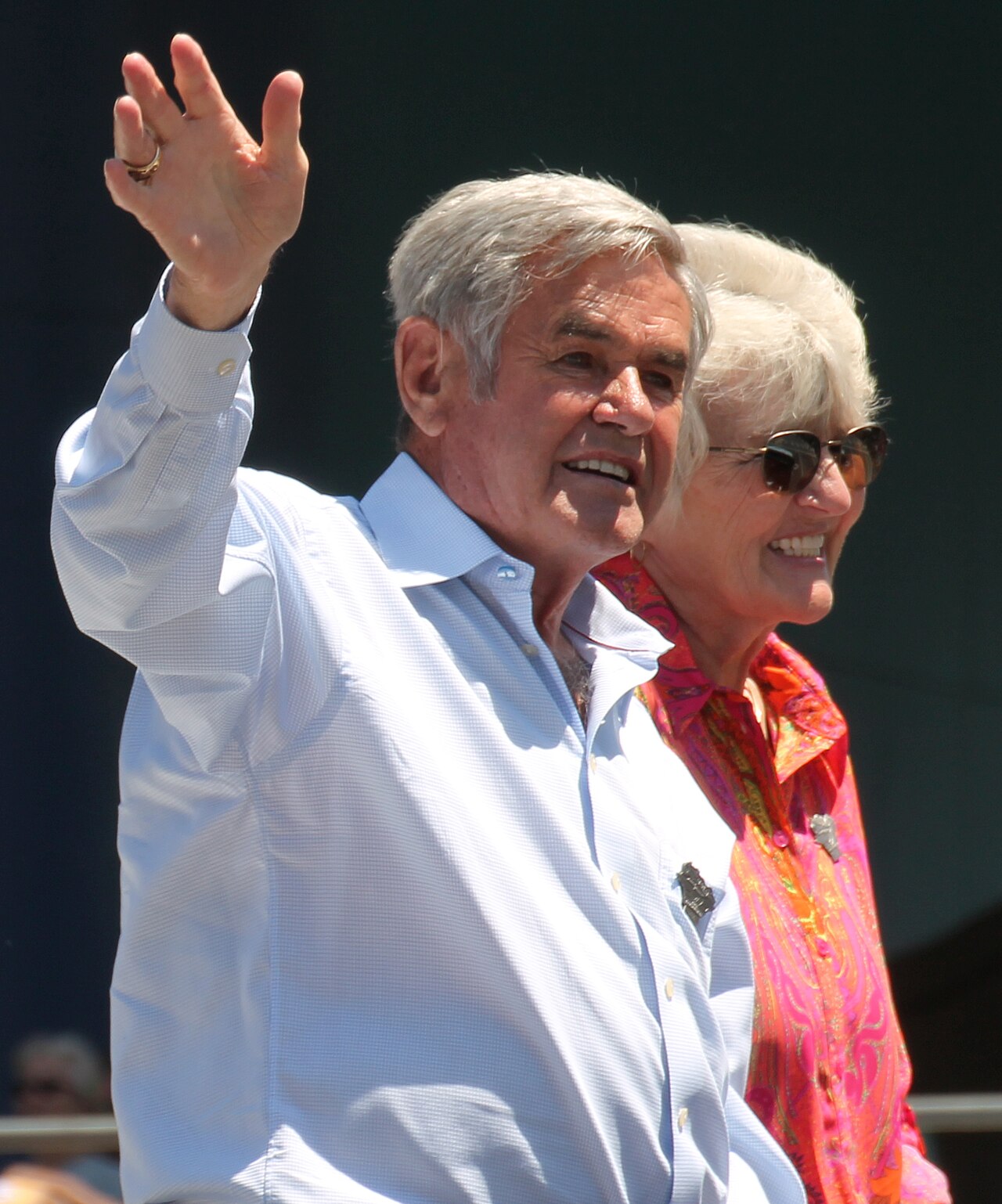
Al Unser (May 29, 1939 – December 9, 2021) was an American automobile racing driver, the younger brother of fellow racing drivers Jerry and Bobby Unser, and father of Al Unser Jr. He was the second of four men (A. J. Foyt, himself, Rick Mears and Hélio Castroneves) to have won the Indianapolis 500 four times (1970, 1971, 1978, 1987), the fourth of six to have won the race in consecutive years, and the winner of the National Championship in 1970, 1983, and 1985. The Unser family has won the Indy 500 a record nine times. He was the only person to have both a sibling (Bobby) and child (Al Jr.) as fellow Indy 500 winners. In 1971, he became the only driver to date to win the race on his birthday (his 32nd). After his son Al Unser Jr. joined the national championship circuit in 1983, Unser was generally known professionally by the retronym "Al Unser Sr." He was also nicknamed "Big Al."
- Role
- Racing Driver
- Affiliation
- IndyCar / USAC
- Major Achievement
- Four-time Indianapolis 500 Winner (1970, 1971, 1978, 1987)
- Championships
- Winner of the National Championship in 1970, 1983, and 1985
Verified Timeline
Lore & Background
Unser began racing in 1957, at the age of eighteen, initially competing primarily in modified roadsters, sprint cars and midgets. In 1965, he raced in the Indianapolis 500 for the first time and finished ninth. His breakout year in IndyCar's was in 1970 when he joined Vel's Parnelli Jones Racing, where he would drive for the next seven years. Unser won the Indianapolis 500 in 1970, two years after his brother, Bobby. During the race, he led for all but ten of the 200 laps and averaged 155.749 miles per hour. That season, he won a record ten times on oval, road and dirt tracks to capture the United States Auto Club national championship. In 1971, with Vel's Parnelli Jones, he won the Indianapolis 500 again, starting from the fifth position with an average speed of 157.735 miles per hour, and holding off Peter Revson's McLaren for the victory. Unser's bid to become the first three-time consecutive Indy 500 champion was thwarted when he finished second to Mark Donohue in the 1972 Indianapolis 500. Unser would continue driving for the team up until 1977. By 1977, the team regained competitive form, although Unser would announce his departure for Jim Hall Racing at year's end. Unser would later say, in a 2020 interview, that his departure from VPJ stemmed from disagreements with Jones and his partners over the direction of the team, although Unser maintained a friendship with Jones.
In Their Own Story
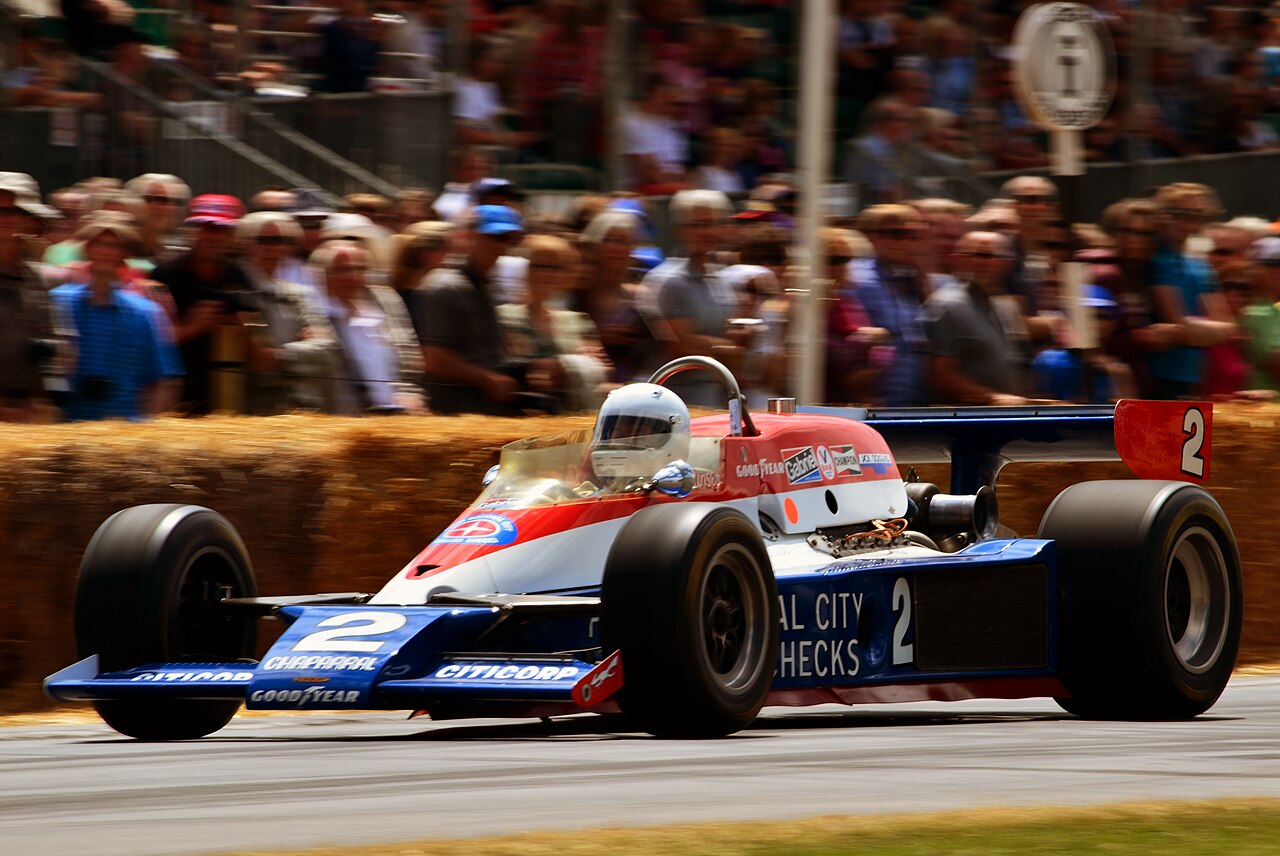
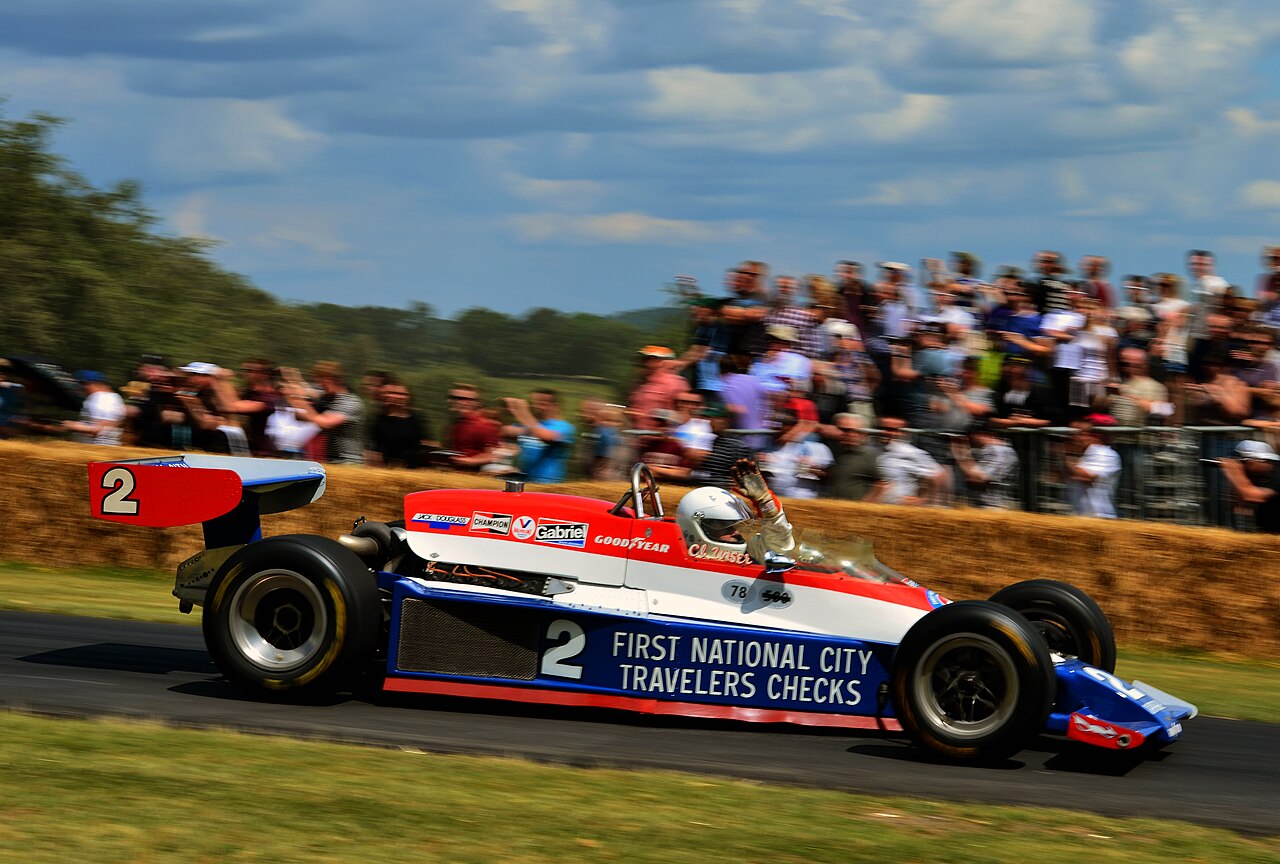
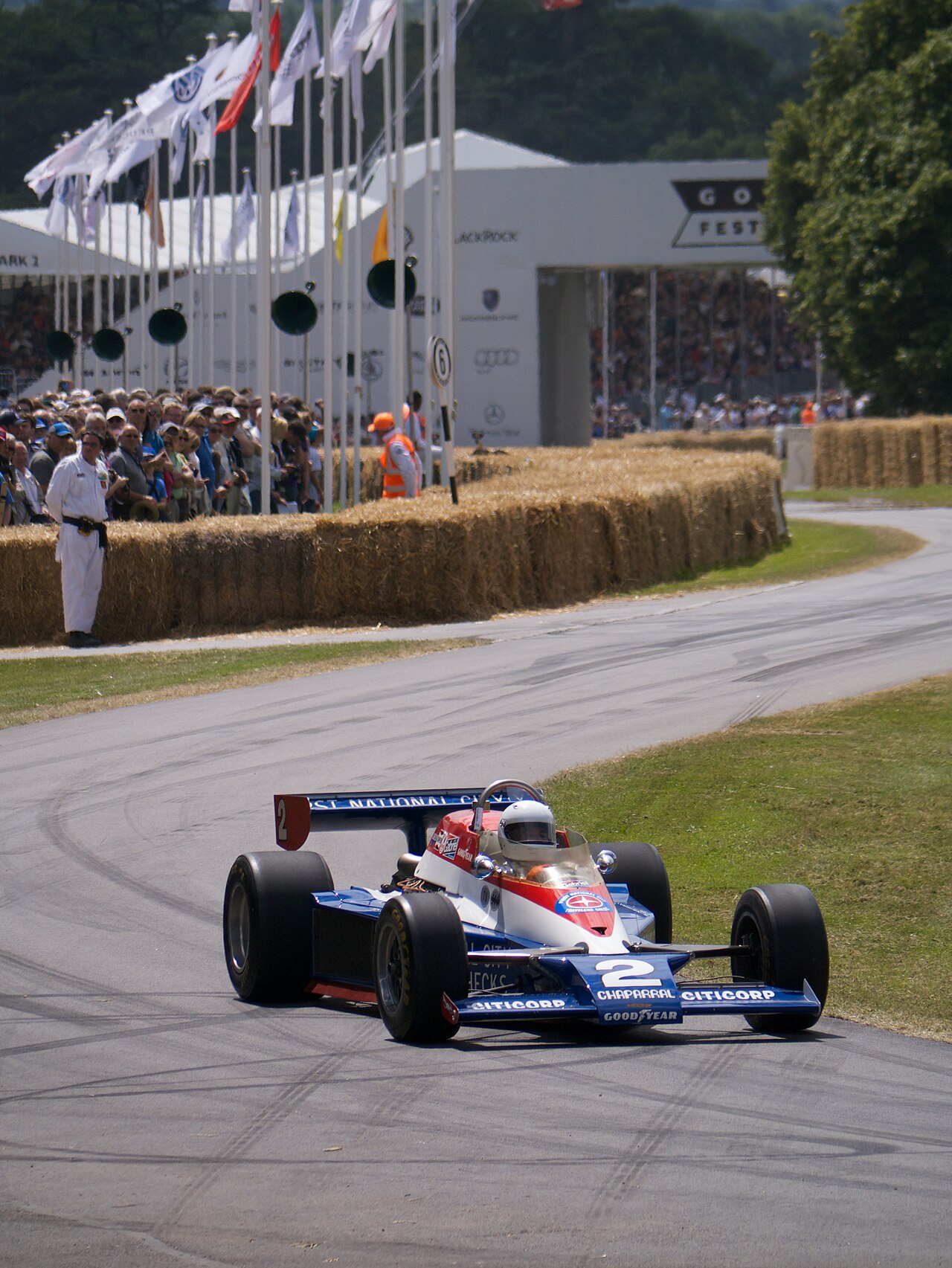
Despite starting the 1978 Indianapolis 500 from the fifth position in a First National City Travelers Checks Chaparral Lola, Unser's car was considered before the race to be a second-tier entry at best, if not an outright long shot to win. Moving to the front of the field for the first time on lap 75, he and opponent Danny Ongais engaged in an on-again off-again duel for 75 more laps, before an engine failure on Ongais' car on lap 150 allowed Unser to assume a commanding 35 second lead. Although suffering right front-wing misalignment due to impacting a tire on his final pit stop, a situation that led to the lead shrinking steadily over the race's final twenty laps, it nevertheless proved wide enough for victory by nine seconds to spare at the checkered flag. Unser's race average speed of 161.363 mph ranked as the then-second fastest ever run. In 1987, Penske's slate of drivers included Rick Mears, Danny Sullivan, and Danny Ongais. Unser was dropped from the team, and entered the month of May without a ride. Midway through the second week of practice, Roger Penske consummated a deal with Unser to drive the third car. Penske promised Unser a well-funded effort, and a brand new Cosworth engine, the same chassis/engine combination that had won the previous four Indy 500s. The year-old March was removed from a Penske Racing display at a Sheraton hotel in Reading, Pennsylvania, and hurriedly prepared for a return to active competition. Unser easily put the car in the field on the third day of time trials. At the start, Unser was in the twentieth position. On a day when heavy attrition felled most of the field's front-runners, including the overwhelmingly dominant Newman-Haas entry of Mario Andretti, Unser worked his way steadily forward and took the lead on the 183rd lap, after Roberto Guerrero's car stalled on his final pit stop. Averaging 162.175 mph, Unser bested a charging field.
Reader's Guide
The era of Al Unser Sr. represents the golden age of American open-wheel racing, bridging the gap between the wild, unregulated days of USAC and the corporate sophistication of CART. This period was defined by the "Brickyard" as the spiritual home of the sport, where a driver's ability to manage fuel and tires often outweighed sheer engine power. Unser's dominance during this time established a standard for consistency that few have matched. His four victories at Indy are not just statistics; they are milestones that defined the identity of the series as a place where legends were made through endurance and strategy rather than just speed. The rivalry between families, particularly with his own son Al Jr., added a unique generational narrative to the sport. This chapter matters because it solidified the Indianapolis 500 as the pinnacle of motorsport achievement in North America. Unser's success proved that longevity was possible, inspiring future generations to view a career in IndyCar not just as a sprint, but as a marathon requiring patience, skill, and an intimate knowledge of the track.
Did You Know?
- Al Unser is the only driver to date to win the Indianapolis 500 on his birthday, doing so in 1971 when he turned 32.
- He is the only person to have both a sibling (Bobby) and a child (Al Jr.) as fellow Indy 500 winners.
- In 1970, Unser led all but ten of the 200 laps of the Indianapolis 500, averaging 155.749 mph.
- Unser's 1978 Indianapolis 500 victory came in a car considered a second-tier entry or outright long shot before the race.
- In 1987, at age 46, Unser became the oldest winner in Indy history, driving a year-old March chassis that had been pulled from a hotel display.
Gallery
Frequently Asked Questions
Who is Al Unser Sr.?
Al Unser Sr. was a legendary American open-wheel driver known for dominating the Indianapolis 500 during the late 20th century. He remains one of only four drivers ever to secure four victories at that prestigious race.
How many times did Al Unser Sr. win the Indy 500?
He claimed victory in the Indianapolis 500 on four separate occasions, winning in 1970, 1971, 1978, and 1987. His final win made him the oldest driver to ever drink the milk in Victory Lane at that track.
What championships did Al Unser Sr. earn?
Beyond his Brickyard success, Unser earned three national championships under both USAC and CART sanctioning bodies. These titles highlight his consistency across different eras of American single-seater racing.
Why is Al Unser Sr. called 'The King'?
He earned the nickname "The King" due to his unmatched longevity and dominance in American open-wheel competition. His career bridged the dangerous 1960s era into the more regulated safety standards of the 1980s.
Who are Al Unser Sr.'s family members in racing?
Racing ran deep in his blood, as his father was a Pikes Peak champion and both his brothers, Jerry and Bobby, competed professionally. He is one of only four drivers to win the Indy 500 four times, sharing this feat with his son Al Unser Jr.
More in Series History
Elsewhere in the IndyCar universe
Spotted an error? Know more?
This is a living reference — every entry is fact-audited, and reader corrections feed straight into our audit queue. Suggest an edit · See this site's audit record