Indianapolis Motor Speedway
The Racing Capital of the World.

via Wikipedia: Indianapolis Motor Speedway · see source
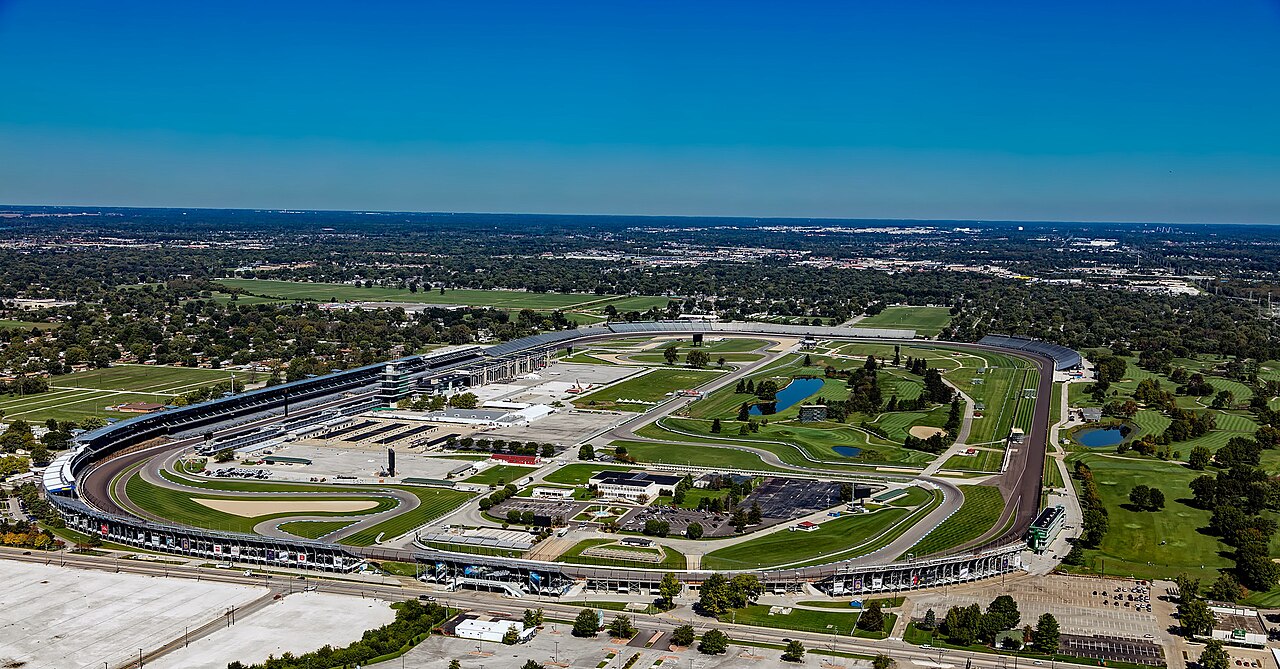
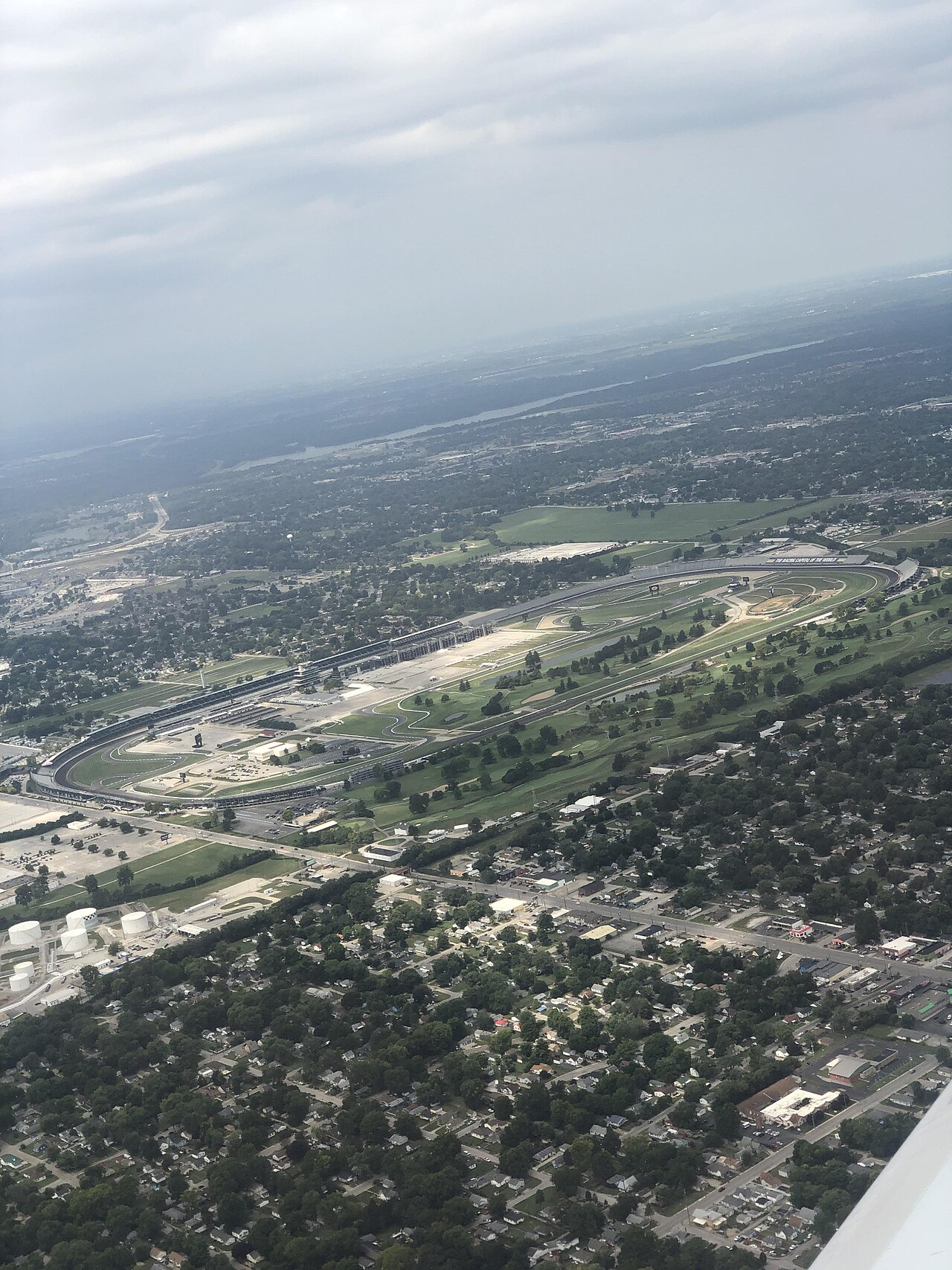
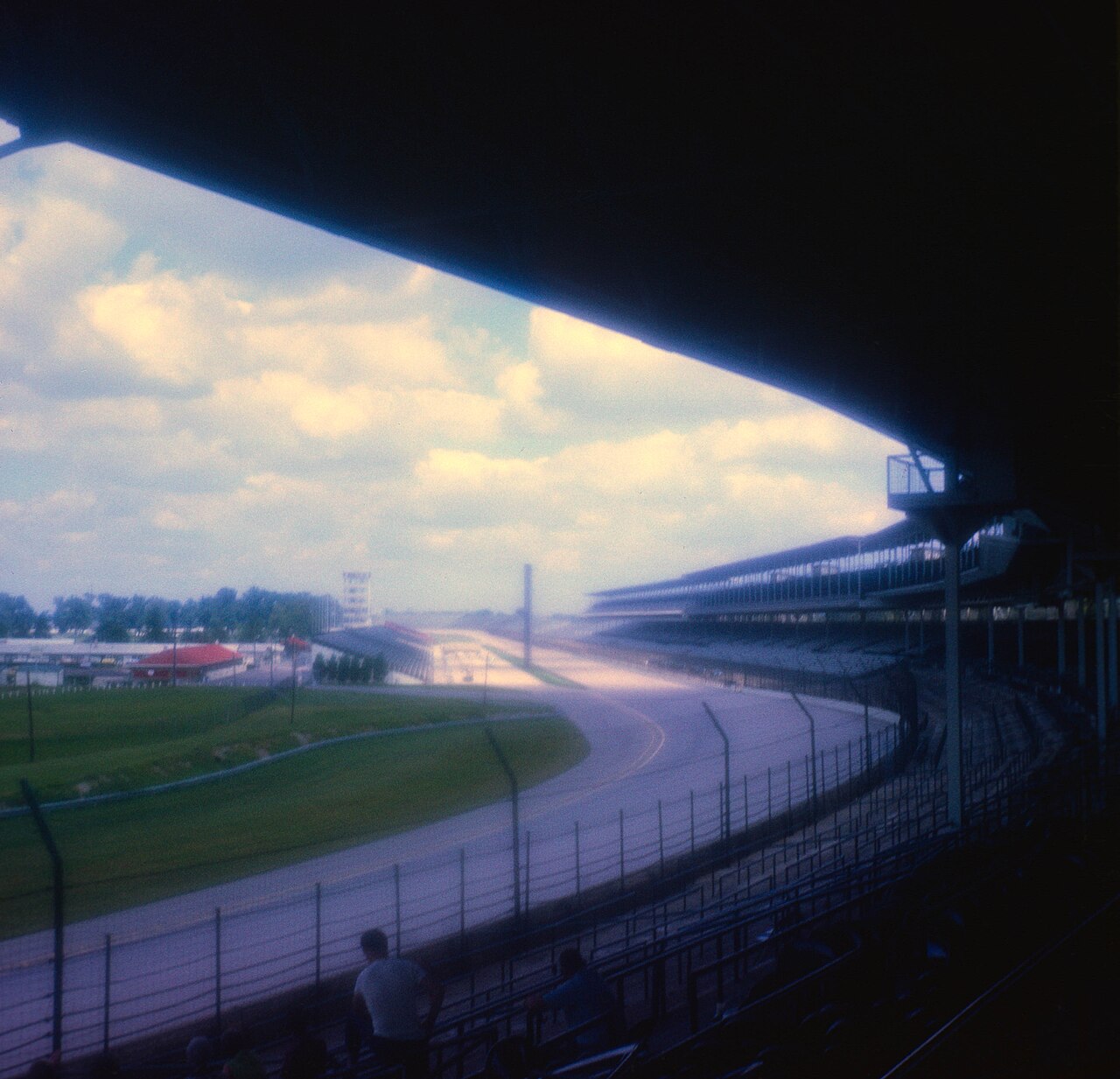
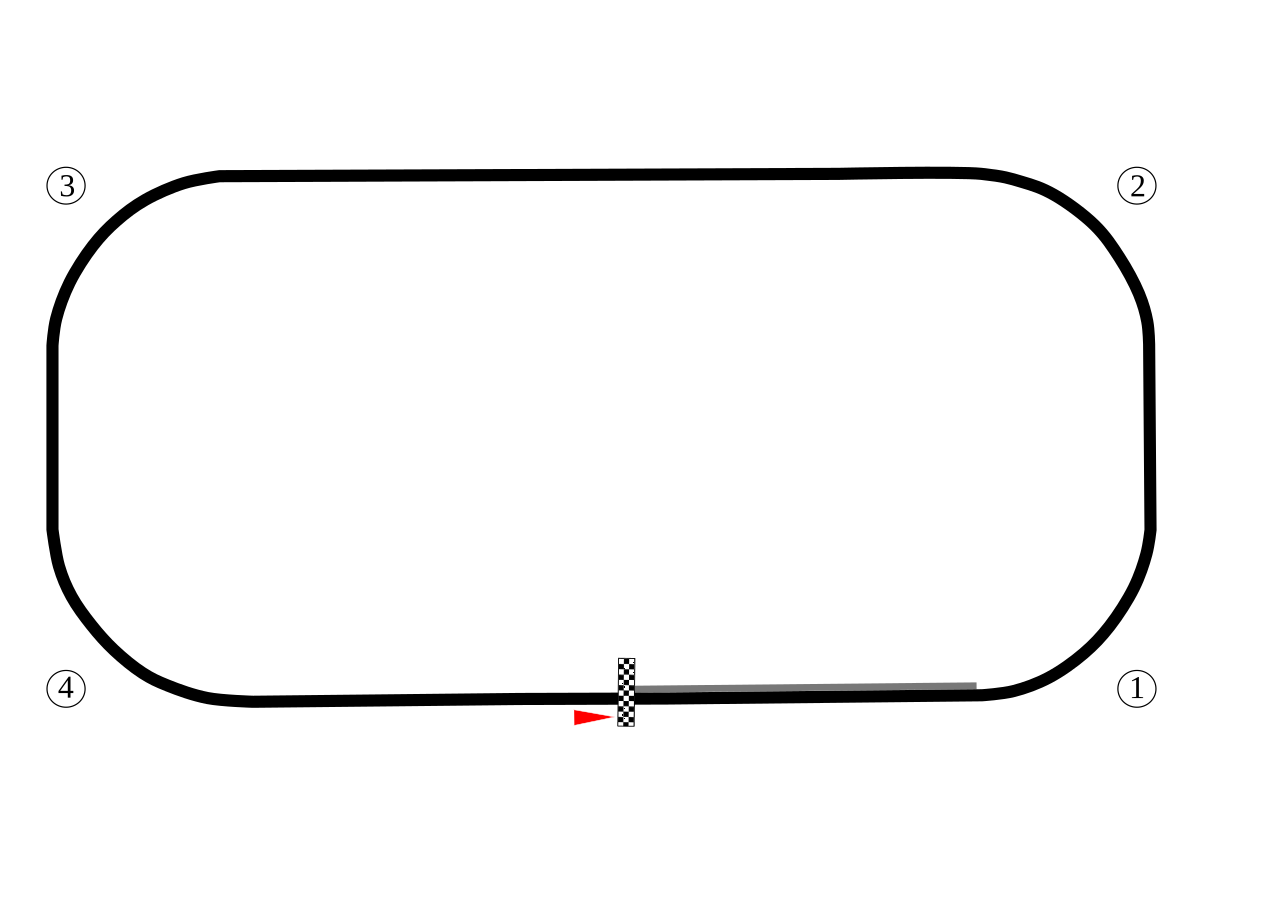
The Indianapolis Motor Speedway is a motor racing circuit located in Speedway, Indiana, an enclave suburb of Indianapolis. It is the home of the Indianapolis 500 and the Brickyard 400, and formerly the home of the United States Grand Prix and the Indianapolis motorcycle Grand Prix. Constructed in 1909, it is the second purpose-built, banked oval racing circuit after Brooklands and the first to be called a 'speedway'. It was the brainchild of entrepreneur Carl G. Fisher, who envisioned a proving ground for the budding automobile industry. With a permanent seating capacity of 257,325, it is the highest-capacity sports venue in the world. The track is a 2.500 mi rectangular oval with two 0.625 mi straightaways and four geometrically identical 0.250 mi turns, with 9°12' banking. The venue self-describes as the "Racing Capital of the World."
- Seating capacity
- 257,325 permanent seats (highest-capacity sports venue in the world)
Verified Timeline
Lore & Background
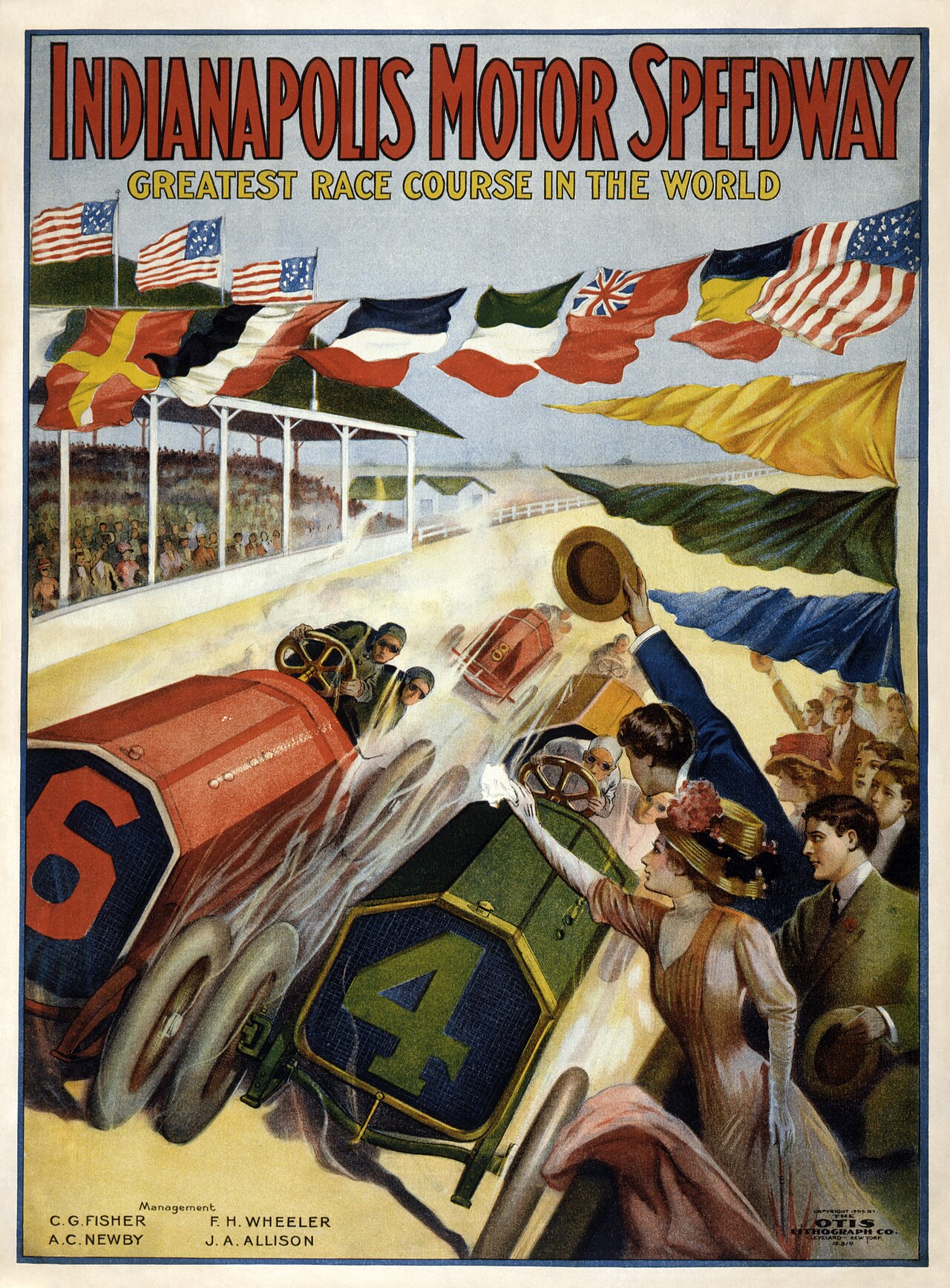
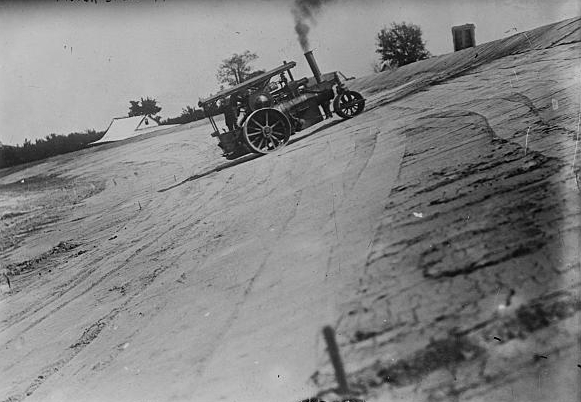
The Indianapolis Motor Speedway was the brainchild of Carl G. Fisher, who first envisioned building the speedway in 1905 after seeing Europe's advantage in automobile design. He visited the Brooklands circuit outside London in 1907, and after viewing the banked layout, it solidified his determination to build the speedway. Fisher proclaimed, "Indianapolis is going to be the world's greatest center of horseless carriage manufacturing; what could be more logical than building the world's greatest racetrack right here?" In December 1908, he convinced James A. Allison, Arthur C. Newby, and Frank H. Wheeler to join him in purchasing Pressley Farm for $72,000. Construction started in March 1909, with 500 laborers, 300 mules, and steam-powered machinery reshaping the land. The first event ever held was a helium gas-filled balloon competition on June 5, 1909, drawing a reported 40,000 people. The first motorsport event was seven motorcycle races on August 14, 1909, but ended early due to concerns over the track surface. The first car race on August 19, 1909, saw Louis Schwitzer win a 5-mile, two-lap event. However, the third day of racing resulted in a crash that killed two spectators and a mechanic, leading the AAA to boycott future events until significant improvements were made. Fisher and his partners then repaved the track with 3.2 million 10-pound bricks, each hand laid over a cushion of sand.
In Their Own Story
On the third day of racing in August 1909, 35,000 spectators gathered for the grand finale 300-mile race. At 175 miles into the race, the right front tire blew on Charlie Merz's car. His car mowed down five fence posts and toppled dozens of spectators. Two spectators and his mechanic, Claude Kellum, were killed in the crash. Ten laps later, driver Bruce Keen struck a pothole and crashed into a bridge support. The race was halted, and the remaining drivers were given engraved certificates instead of trophies. This tragedy forced Fisher and his partners to repave the track with bricks, leading to the nickname "The Brickyard."
Reader's Guide
The Indianapolis Motor Speedway is located six miles west of Downtown Indianapolis. The track is a 2.500-mile rectangular oval with two 0.625-mile straightaways, four geometrically identical 0.250-mile turns, and two 0.125-mile short straightaways called "short chutes" between turns 1 and 2, and between turns 3 and 4. The turns have 9°12' banking. A modern, FIA Grade One infield road course was completed in 2000, measuring 2.605 miles, and was modified in 2008 and 2014 for motorcycle racing. The grounds have expanded from an original 320 acres to over 559 acres. On the grounds is the Indianapolis Motor Speedway Museum, which opened in 1956 and moved into its current building in the infield in 1976. Also on the grounds is the Brickyard Crossing Golf Resort, which originally opened as the Speedway Golf Course in 1929, with 14 holes outside the track and four holes in the infield. The site is among the most visited attractions in the Indianapolis metropolitan area, with 1 million guests annually. The garage area is known as Gasoline Alley, though Indy 500 racecars have used methanol and currently ethanol.
Did You Know?
- The first event ever held at the speedway was a helium gas-filled balloon competition on June 5, 1909, drawing a reported 40,000 people.
- The track was originally paved with 3.2 million 10-pound bricks, each hand laid over a cushion of sand.
- World War I flying ace Eddie Rickenbacker was the track's second owner (1927–1945) and also drove in the Indianapolis 500 four times.
- The speedway served as the venue for the opening ceremonies for the 1987 Pan American Games.
- The speedway is the only site on the National Register of Historic Places and designated a National Historic Landmark to be affiliated with automotive racing history.
Gallery
Frequently Asked Questions
What is the Indianapolis Motor Speedway?
Located in Speedway, Indiana, this 2.5-mile oval track is the oldest continuously operating racetrack in the world and serves as the spiritual home of American motorsport. Originally constructed in 1909 to test early automobiles, it has hosted the legendary Indianapolis 500 every year since 1911.
Why is the Indianapolis Motor Speedway considered so important?
Often called the 'Racing Capital of the World,' it holds the title of the largest sporting venue by seating capacity with over 257,000 permanent seats. Its historical significance stems from being the site where automotive legends are forged and the limits of speed are tested annually during Memorial Day weekend.
What is unique about the track surface at Indianapolis?
While most of the circuit is paved with asphalt, the start/finish line retains a historic strip of original brick known as the 'Yard of Bricks.' This one-yard section remains untouched since the track's opening in 1909, serving as a physical link to its early days.
When did the Indianapolis Motor Speedway first open?
The facility officially opened its gates in 1909, initially functioning as a proving ground for the burgeoning automobile industry before becoming a permanent race track. The inaugural running of the Indianapolis 500 took place two years later in 1911.
What is the total length of the Indianapolis Motor Speedway oval?
The track measures exactly 2.5 miles, or approximately 4.023 kilometers, forming a rectangular shape that has remained unchanged for over a century. This specific distance defines the grueling challenge drivers face during the 500-mile race.
More in Tracks & Culture
Elsewhere in the IndyCar universe
Spotted an error? Know more?
This is a living reference — every entry is fact-audited, and reader corrections feed straight into our audit queue. Suggest an edit · See this site's audit record