
Back Home Again in Indiana
The song that starts the Greatest Spectacle in Racing.

Shultz, Lawrence W., 1890-1982 · Public domain
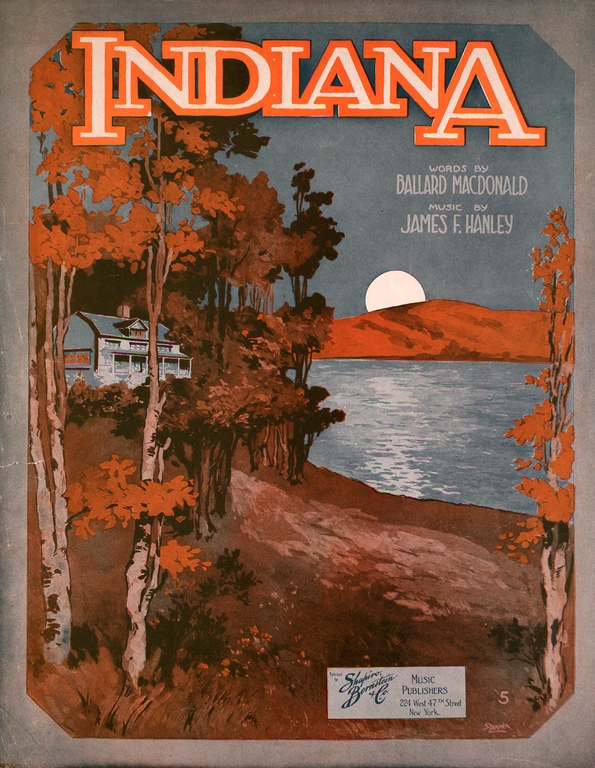
“Back Home Again in Indiana” is the iconic song performed before every Indianapolis 500, serving as the emotional and cultural heart of the race. The song’s role is to mark the start of the race day festivities, often accompanied by the release of thousands of balloons, and it remains one of the most cherished rituals in all of motorsport.
Lore & Background
The song, written by James F. Hanley with lyrics by Ballard MacDonald, was already a popular standard, but its association with the Indy 500 turned it into an anthem. The performance became a fixed part of the pre-race ceremonies, typically following the invocation and the playing of “Taps,” and preceding the command to start engines. The moment is marked by the release of red, white, and blue balloons into the Indiana sky, a visual spectacle that fans anticipate as much as the race itself.
In Their Own Story
The morning sun casts long shadows across the infield as the grandstands hum with anticipation. A hush falls over the crowd when the announcer introduces the singer. The first notes of the piano drift from the speakers, and then the voice begins: 'When I think of the moonlight on the Wabash...' For a few minutes, the roar of engines and the chatter of thousands fade into a single, shared moment. Fans hold their breath, some with tears in their eyes, as the song builds to its final line. As the last note hangs in the air, the balloons erupt from the track, a cascade of color against the blue Indiana sky, and the crowd roars, knowing the race is about to begin.
Reader's Guide
For fans, “Back Home Again in Indiana” is more than a song—it’s a ritual that marks the transition from anticipation to action. The performance is the emotional peak of the pre-race ceremonies, a moment when the entire Speedway feels like a single, unified community. Longtime attendees know to arrive early to secure their spot, often in the same seats they’ve held for years, and to listen for the singer’s first note. The balloon release is a beloved tradition; fans watch the sky fill with color, and many try to catch a stray balloon as a souvenir. The song’s lyrics, evoking the Indiana landscape, resonate deeply with local fans, but even international visitors are moved by the sense of history and belonging. It’s a tradition that connects generations, passed down from parents to children, and it’s considered bad luck to miss it. For many, the race doesn’t truly start until the song ends.
Gallery



Frequently Asked Questions
What role does the anthem play on race day?
This ceremony typically marks the official beginning of race day festivities, uniting drivers and fans before the green flag waves. It remains one of the most cherished rituals in motorsport history.
Why is this song considered a symbol of Hoosier heritage?
The lyrics evoke a sense of nostalgia and pride for Indiana residents, making it the emotional heart of race week celebrations. It symbolizes the community gathering in Indianapolis to honor their shared history and location.
Is the performance still conducted for every modern race?
Yes, this ritual remains an active and mandatory part of the pre-race program for every Indianapolis 500. Fans expect to hear the anthem as a non-negotiable element of the Greatest Spectacle in Racing.
More in Tracks & Culture
Elsewhere in the IndyCar universe
Spotted an error? Know more?
This is a living reference — every entry is fact-audited, and reader corrections feed straight into our audit queue. Suggest an edit · See this site's audit record